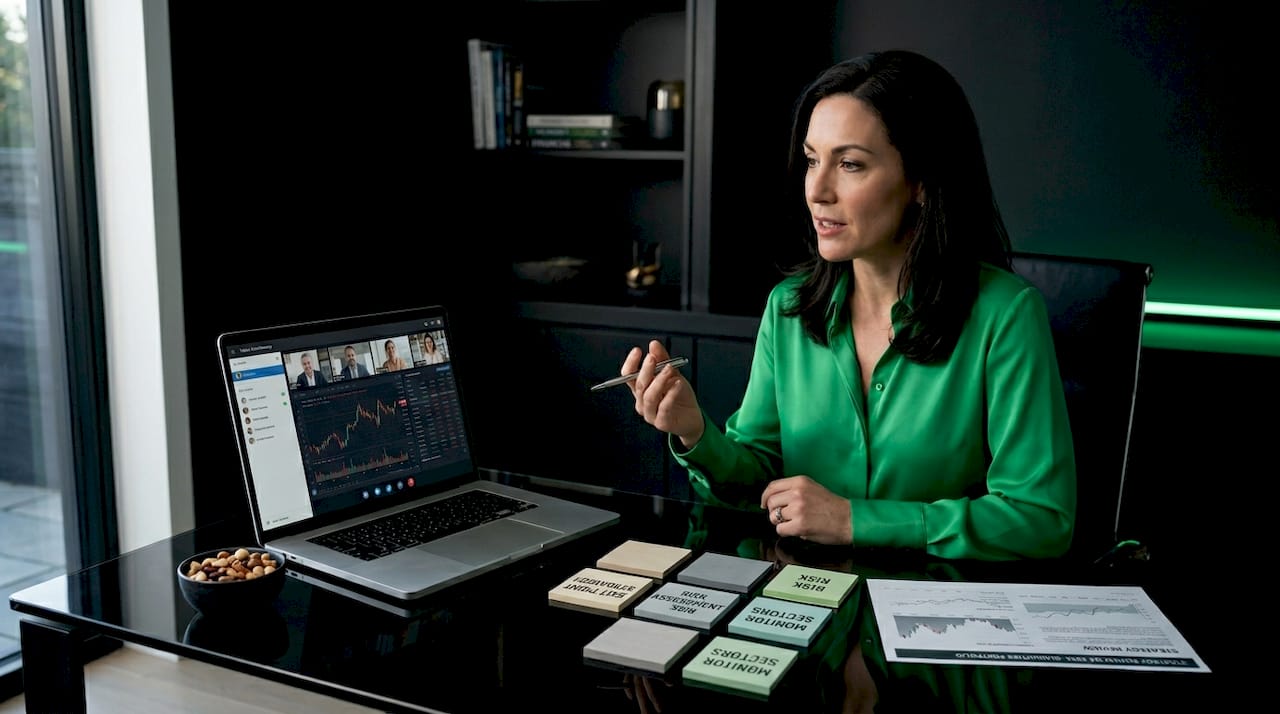
Most traders assume that understanding what is long-term trader relationship means is simple: hold a position for months and you’re done. That’s only a fraction of the picture. A long-term trader relationship reaches across your connection to the markets, your broker, your trading partners, and your own psychology. It’s not passive. It’s not “set and forget.” It’s an ongoing, active engagement that either compounds your edge over time or quietly erodes it. Whether you’re six months in or six years deep, the relational side of trading shapes your results more than most people admit.
Table of Contents
- Key takeaways
- What is a long-term trader relationship, really
- Operational consistency as the real foundation
- The psychological dimension you can’t skip
- Business and strategic partnership elements
- Practical strategies for building lasting relationships
- My honest take on what most traders get wrong
- Build your trading relationships the right way
- FAQ
Key takeaways
| Point | Details |
|---|---|
| More than time horizon | A long-term trader relationship covers psychology, trust, and operations, not just how long you hold a position. |
| Operational consistency matters | Reliable execution and transparent processes build trader confidence far more than promotions or marketing claims. |
| Psychology is relational work | Personal relationships and self-awareness directly shape how you respond to the market under pressure. |
| Trust drives partnerships | Aligned goals and transparent communication between traders and brokers reduce risk and create lasting value. |
| Active management required | Even long-term strategies demand ongoing risk assessment. Holding a position doesn’t mean ignoring it. |
What is a long-term trader relationship, really
Most definitions stop at timeframes. Long-term investing typically means holding positions for months to years, with the exact window varying by asset class. In forex, a long-term position might run for weeks. In equities, it could span years. That variability already tells you something important: “long-term” is a context-dependent label, not a fixed rule.
But here’s what the standard definition misses entirely. A long-term trader relationship is also about the quality and durability of your connections within the trading ecosystem. That includes:
- Your relationship with your broker and the trust that builds or breaks over time
- Your relationship with specific markets and the behavioral patterns you learn to read
- Your relationship with fellow traders, mentors, and the community that shapes your thinking
- Your relationship with yourself, including your discipline, emotional habits, and decision quality
Understanding long-term trading strategies means recognizing that duration alone does not define relationship quality. A trader can hold positions for two years while rotating brokers, ignoring psychology, and burning through communities. That’s not a long-term trader relationship. That’s just a long timeline attached to a short-sighted approach.
The contrast with short-term trading is instructive. Day traders and scalpers measure relationships in hours. Every execution is transactional. Long-term traders, by contrast, need their systems, their platforms, and their own mental habits to hold up across months of market volatility. That durability doesn’t happen by accident.
Operational consistency as the real foundation
You can have the best long-term trading strategy in the world. If the operational side of your setup fails you, the strategy doesn’t matter.
Dependable execution and stable conditions during volatile markets are what underpin trader confidence over the long run. Not the bonus offers. Not the slick onboarding email. The actual performance of the platform when the market moves fast and you need your order filled at the right price.
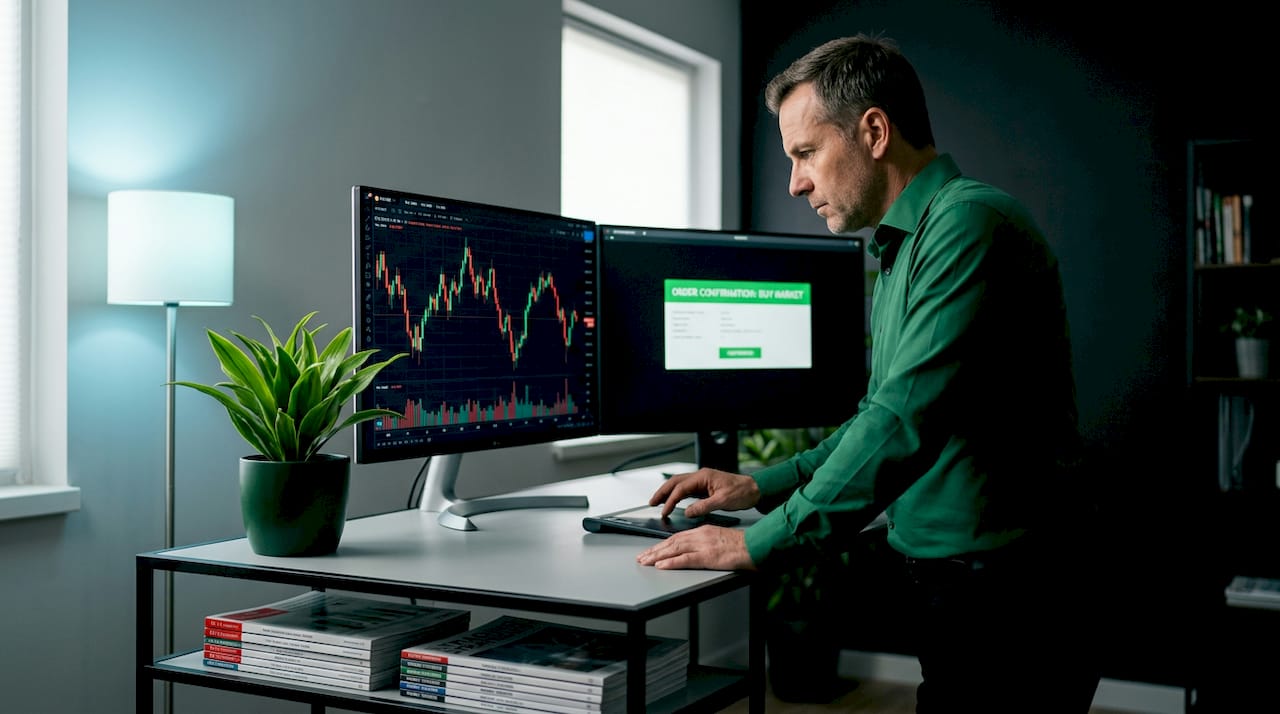
Broker-trader relationships depend on a lot of behind-the-scenes mechanics that most traders never think about until something goes wrong. Operational workflows like onboarding, KYC, and payment reconciliation all affect the quality of the relationship you’re building with your broker over time. A slow withdrawal process in month one is a warning sign. Recurring slippage during news events is a pattern worth noticing.
Pro Tip: Before committing to a broker for long-term trading, run a small test withdrawal early in the relationship. How fast it processes and whether it matches what was promised tells you more about long-term reliability than any review site will.
Here’s what to look for operationally when you’re assessing a long-term trading partner:
- Consistent order execution speed across normal and volatile conditions
- Transparent fee structures with no surprise charges on withdrawals
- Responsive support that solves real problems, not just acknowledges tickets
- Clear documentation of processes like margin calls and platform downtime protocols
Trader communities that prioritize stable infrastructure consistently retain members far longer than communities built on hype. The pattern holds whether you’re talking about brokers, mentorship programs, or trading groups. Reliability creates the foundation. Everything else builds on top of it.
The psychological dimension you can’t skip
Trading psychology isn’t just about controlling emotions in the moment. It’s relational work that runs much deeper than that.
Personal relationships shape trader identity and discipline in ways that directly affect how you perform under market stress. A trader surrounded by people who mock their losses or dismiss their ambitions will run a different operating system than one supported by a community that takes trading seriously. The people closest to you influence your risk tolerance, your patience with drawdowns, and your willingness to do the boring work of reviewing trades.
Your relationship with the market itself is dynamic, not static. The forex market you traded in 2022 behaved differently from the one you’re trading now. Long-term traders who thrive are the ones who keep updating their mental model of the market rather than insisting that what worked before must still work today. That adaptability is a relational skill as much as a technical one.
The market doesn’t owe you anything based on your years of experience. What experience gives you is a richer map. The map still needs updating.
Pro Tip: Build a weekly review habit that covers not just trade performance but your emotional state during the week. Track what triggered your best decisions and your worst ones. Patterns in that data will tell you more about your psychological relationship with trading than any book on the subject.
The psychology of long-term trading demands patience as a practiced skill, not just a natural trait. Patience in this context means knowing your setup criteria and refusing to deviate from them even when the market is quiet and temptation says to force a trade.
Business and strategic partnership elements
When you step back and look at the trader-broker dynamic through a business lens, the language shifts. This is where trader relationship management gets structured.
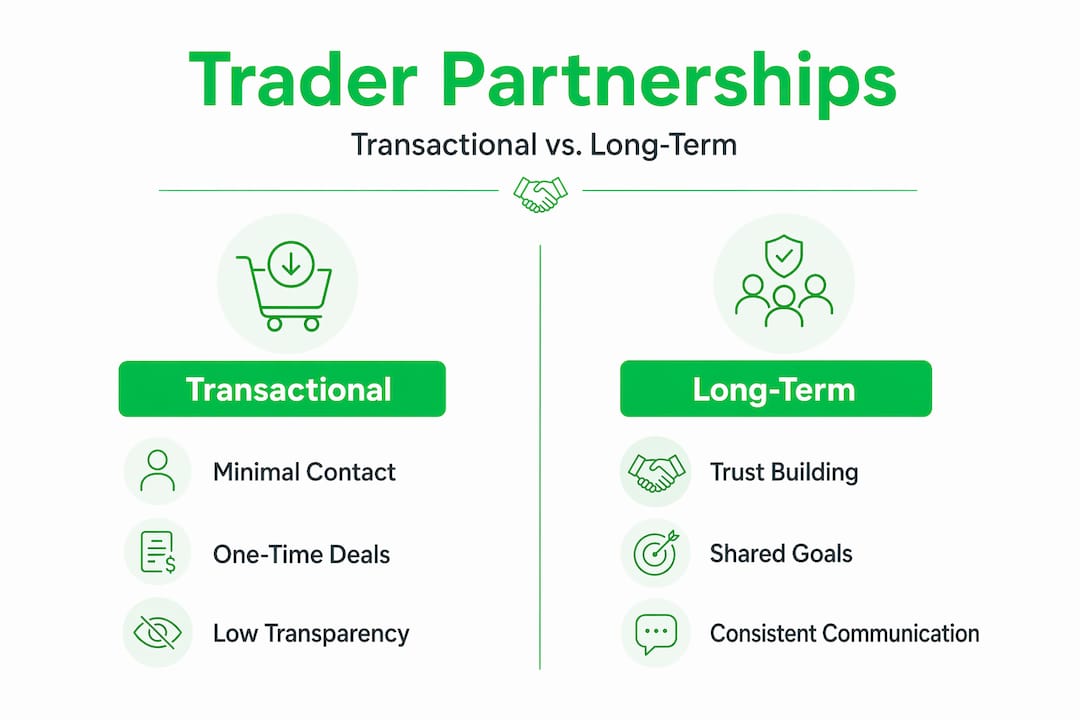
Long-term relationship orientation in business describes enduring partnerships built on trust, shared goals, and sustained collaboration. Applied to trading, it means a broker and trader working toward outcomes that benefit both. The trader needs reliable execution and fair conditions. The broker needs a consistent, funded, active client. When those interests align and both sides behave accordingly, you get a stable, low-friction relationship that compounds in value over time.
The table below shows how transactional and long-term trading relationships actually differ in practice:
| Factor | Transactional approach | Long-term relationship approach |
|---|---|---|
| Communication | Minimal, problem-driven | Regular, proactive, and two-way |
| Trust level | Low, based on terms only | High, built through consistent behavior |
| Focus | Short-term profit maximization | Shared growth and sustainability |
| Risk management | Individual and reactive | Collaborative and anticipatory |
| Cost of switching | Irrelevant | High due to invested trust and history |
Consistent communication, transparent practices, and adaptability are the practical behaviors that make long-term partnerships work. A broker who reaches out proactively when there’s a platform update that affects your trading style is demonstrating exactly this. A mentor who follows up after a difficult week of losses is doing the same thing.
What makes a successful trader partnership isn’t complicated. It comes down to aligned expectations, follow-through on both sides, and the discipline to address friction early rather than letting it accumulate.
Practical strategies for building lasting relationships
Building strong long-term trading relationships takes deliberate effort. Here’s what that looks like in practice.
For traders assessing and maintaining broker trust:
- Document your first three months with any new broker, tracking execution quality, support response time, and any unexpected fees
- Set a personal rule to re-evaluate your broker relationship every six months against your original criteria
- Communicate your trading style clearly upfront, especially if you’re using automated systems or specific strategies that some brokers restrict
For brokers and mentors supporting long-term trader relationships:
- Deliver on execution promises consistently, not just during calm market periods
- Provide traders with educational resources that match their current experience level, not just their initial signup stage
- Create community spaces where traders can be honest about losses and setbacks without stigma
Risk management ties directly into the longevity of your relationships. Long-term traders must manage risk actively and close or adjust positions when market conditions shift, even if the original thesis was built for a multi-month hold. Ignoring a deteriorating trade because “it’s a long-term position” isn’t discipline. It’s denial.
The peer and community dimension matters more than most traders acknowledge. Accountability partners who check in on your process, not just your P&L, push your development in ways that solo trading never will.
My honest take on what most traders get wrong
I’ve watched traders at every level spend enormous energy optimizing entries and almost zero energy on the relational fabric that holds their trading together. In my experience, that’s where most of the real losses come from.
The traders I’ve seen struggle the longest are usually operating in isolation, with a broker they’ve never properly vetted, surrounded by people who either don’t understand what they do or actively undermine their confidence. The technical side of their trading might be solid. The relational side is a mess. And the relational side wins.
What changed things for me was recognizing that my relationship with the market wasn’t a one-way transaction where I extracted profits if I found the right setup. It was an ongoing dynamic that required me to show up consistently, manage my own state, and build infrastructure I could trust. The moment I started treating every layer of my trading ecosystem as a relationship worth maintaining, my results started reflecting that.
The importance of trader relationships isn’t soft wisdom. It’s structural. You cannot build a durable trading career on a foundation of mistrust, emotional chaos, and unreliable systems. The traders who last are the ones who take the relational work as seriously as the technical work.
— Gabriel
Build your trading relationships the right way
If this article shifted how you see the relational side of your trading, the next step is putting it into practice with real structure and support behind you.
At Tradergibkey, the entire approach is built on exactly this philosophy. With over 18 years of live market experience, Gabriel teaches traders how to build not just strategies, but the full ecosystem that makes those strategies sustainable. That means price action skills grounded in practical reality, a community that holds you accountable, and mentorship that evolves as your trading does. The trading courses and mentorship at Tradergibkey give you the operational reliability, psychological grounding, and peer connection that long-term trading success actually requires.
FAQ
What does long-term trader relationship mean?
A long-term trader relationship refers to the sustained, trust-based connections a trader builds with their broker, market, community, and personal psychology over months or years. It goes well beyond simply holding positions for a long time.
How does trader psychology affect long-term relationships?
Personal relationships and emotional habits shape how traders respond under market stress. Traders with strong support systems and high self-awareness tend to make better decisions and maintain discipline across long periods.
What makes a successful trader partnership with a broker?
Consistent execution quality, transparent processes, and proactive communication are the core factors. A broker that delivers on operational promises during volatile conditions builds the trust that long-term relationships require.
Is long-term trading really “set and forget”?
No. Long-term traders must actively manage risk and adjust positions when conditions change. Holding a position long-term is a deliberate strategy, not a reason to stop monitoring it.
How do you build trust in trading relationships over time?
Track operational performance consistently, communicate your needs clearly to brokers and partners, and invest in communities where honesty about losses is normalized. Trust is built through repeated follow-through, not promises.